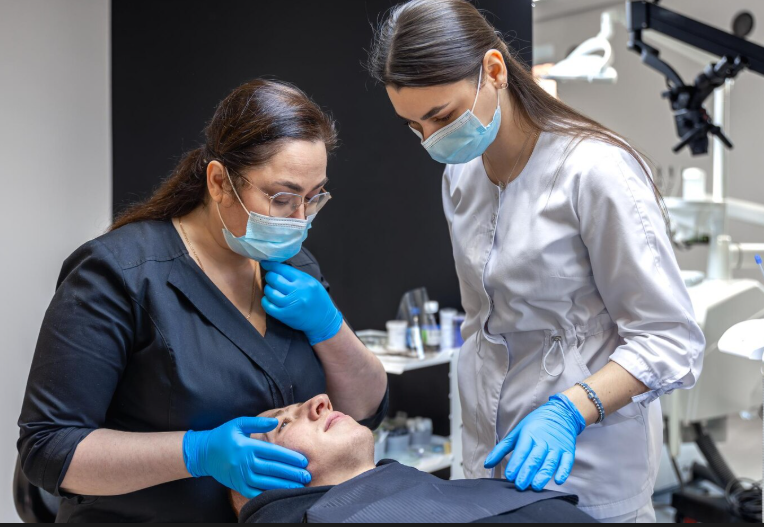



The IVF process is more than just a medical treatment; it’s an emotional experience filled with hope, anticipation, and sometimes uncertainty. For many individuals and couples, navigating the highs and lows of treatment can be challenging. Here’s a closer look at the emotional aspect of IVF and how to manage it:
Beginning IVF With Hope
The decision to begin IVF often comes after a period of trying to conceive naturally. For many, starting this fertility treatment marks a new chapter filled with hope. The initial consultations, tests, and creation of a treatment plan can generate a sense of control and optimism. It is characterized by the anticipation of a positive outcome and the possibility of parenthood. The start of an IVF cycle represents a tangible step toward a long-desired goal. This initial optimism is a fundamental part of the process, providing the motivation needed to navigate the clinical requirements of the treatment ahead.
Navigating the Highs and Lows
The IVF process is cyclical, and so are the emotions that accompany it. The journey includes periods of intense waiting, such as the two-week wait after an embryo transfer to learn if the procedure was successful. These times are often filled with anxiety and a heightened awareness of every physical sensation. The results of each stage can lead to moments of joy or disappointment.
Managing these emotional shifts is a key part of the IVF experience. It is common to feel a mix of hope, fear, and frustration. The physical side effects of hormone treatments can also influence mood, adding another layer to the emotional experience. Acknowledging that these feelings are a normal part of assisted reproduction provides support for patients navigating the process.
Leaning on Your Support Network
Having a strong support system is a key element during fertility treatment. These networks provide emotional and practical assistance during the IVF process. Here are some helpful forms of support to contemplate:
- Partners, Family, and Friends: Open communication with a partner is fundamental. Trusted family members and friends can also offer a listening ear and practical help with daily tasks.
- Professional Counselors: Therapists specializing in fertility can provide strategies for managing stress and navigating the emotional aspects of IVF.
- Support Groups: Connecting with others who are also undergoing fertility treatment creates a sense of community and reduces feelings of isolation.
- Medical Team: The fertility clinic’s staff, including doctors and nurses, are valuable sources of information and reassurance during the process.
These support systems create a foundation that helps individuals and couples manage the pressures of treatment.
Building Resilience
Building resilience is another helpful aspect of the IVF treatment. This involves developing coping mechanisms to manage the stress and uncertainties of fertility treatment. Here are some methods for fostering strength:
- Practice Self-Care: Gentle exercise, meditation, and hobbies can help reduce stress and promote well-being.
- Set Realistic Expectations: Understanding IVF success rates can help manage expectations and prepare you for various outcomes.
- Stay Informed: Gaining a clear understanding of the medical procedures and what to expect at each stage provides a sense of control.
- Celebrate Small Milestones: Acknowledging progress along the way, regardless of the outcome, can help you maintain a positive outlook.
Incorporating these personal resources can make the process manageable for patients as they move through treatment.
Schedule Your IVF Consultation Today
The emotional aspect of in vitro fertilization is a complex experience with distinct phases. Building strong support systems and personal resilience are fundamental components for managing the IVF process. To learn more about the IVF process and discuss your options, contact a fertility specialist near you to schedule your consultation today.
- Tips for Maintaining Spinal Health Through Chiropractic Care
- How to Choose the Right Sports Medicine Specialist for Your Needs
- The Connection Between Hair Loss Treatment and Overall Scalp Health
- What to Expect in a Session with a PTSD Therapist
- Exploring Ingredients and Formulations in White Label Health and Beauty Products