
Since osteoporosis causes bones to become weak, it increases the risk of fractures. Nutrition plays a key role in managing women’s bone health throughout life. Dietary habits and lifestyle choices may influence bone structure. Here is more information about the connection between nutrition and bone health:
Calcium Intake
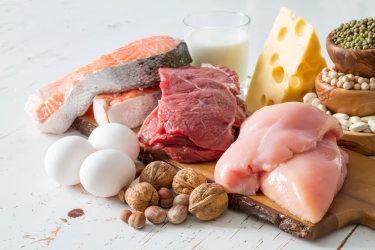
Calcium is a mineral found in many foods, and adults need an adequate amount of calcium each day. While dairy products are a known source, many other foods also contain calcium. Good sources include fortified cereals, leafy green vegetables, and certain types of fish. A balanced diet helps you meet your daily calcium needs. You can incorporate these foods into your regular meals.
Your body needs vitamin D to absorb calcium effectively. Sunlight exposure helps your body produce vitamin D, but many people also get it from food or supplements. A healthcare provider can determine if you need more vitamin D. Fatty fish like salmon and mackerel contain vitamin D. Fortified milk and orange juice are other options. Without enough vitamin D, your body cannot absorb the calcium from your food.
Achieving the right calcium balance involves more than just intake. Some substances interfere with calcium absorption. These may be found in whole-grain bread and beans, or in spinach and sweet potatoes. You do not need to avoid these foods, but you may want to consume them separately from calcium-rich items. Planning your meals thoughtfully makes a difference.
Body Weight
Maintaining a healthy body weight is beneficial for your bones. A low body weight is a risk factor for osteoporosis. When you are underweight, you may have less bone mass to draw from as you age. This increases fracture risk. Proper nutrition supports a healthy weight.
Being underweight can affect hormone levels. It can disrupt menstrual cycles in women, which lowers estrogen levels. Estrogen helps protect bones, so lower levels may lead to bone loss. Maintaining a healthy weight supports bone density. A balanced diet with enough calories, protein, and other nutrients is foundational. This approach gives your body the building blocks it needs.
Food Disorders
Eating disorders negatively affect bone health, and conditions like anorexia and bulimia may lead to nutritional deficiencies. These disorders disrupt the body’s ability to maintain healthy bones. The impact is especially pronounced during the teenage and young adult years when bone mass is still building. The body needs a steady supply of nutrients for bone development.
Alcohol Avoidance
Excessive alcohol consumption interferes with bone health. It disrupts the body’s calcium balance. Chronic heavy drinking can contribute to lower bone density. This occurs because alcohol can affect how the body absorbs calcium and vitamin D.
Here are some effects of alcohol on the body:
- It may decrease bone formation.
- It can affect bone-building cells.
- It elevates unhelpful hormones.
Reducing alcohol intake is a positive step, and this helps protect your existing bone mass. This change enables your body to utilize the nutrients from your food more effectively.
Get Checked for Osteoporosis
Bone health is closely tied to your overall well-being. Paying attention to calcium, vitamin D, and body weight provides a foundation for bone support. Limiting alcohol and addressing any disordered eating patterns are also parts of a comprehensive approach. Schedule an appointment with a women’s health specialist to discuss your bone health and determine if a screening is proper for you.
- Tips for Maintaining Spinal Health Through Chiropractic Care
- How to Choose the Right Sports Medicine Specialist for Your Needs
- The Connection Between Hair Loss Treatment and Overall Scalp Health
- What to Expect in a Session with a PTSD Therapist
- Exploring Ingredients and Formulations in White Label Health and Beauty Products