
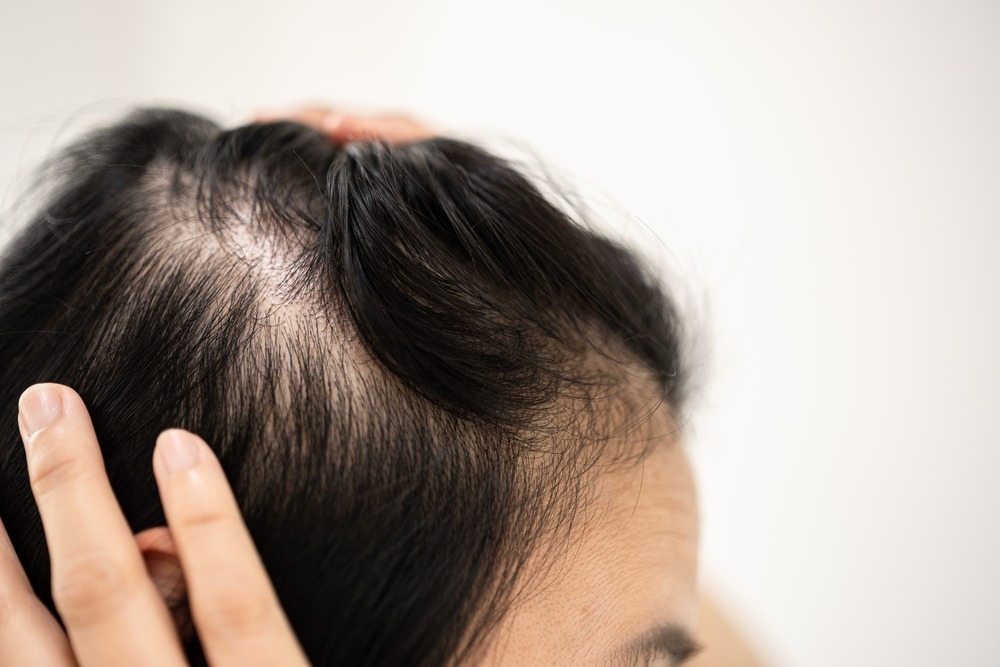

Hair loss is a common concern, often associated with natural aging. However, various other factors can also contribute to this condition. Identifying the underlying causes is beneficial to addressing hair loss effectively. Here, you can explore the frequent reasons for hair thinning and loss observed in both men and women.
Hormones and Hair Health
Hormonal fluctuations are a primary cause of changes in hair growth. Androgens, or male hormones, contribute to male and female pattern baldness. A testosterone derivative called Dihydrotestosterone (DHT) can shrink hair follicles, causing hair to thin and potentially stopping growth entirely. In women, significant hormonal shifts from pregnancy, childbirth, and menopause can trigger temporary hair shedding, known as telogen effluvium.
Thyroid hormones also regulate the hair growth cycle. Both overactive (hyperthyroidism) and underactive (hypothyroidism) thyroid conditions can disrupt this cycle, leading to diffuse hair loss. Proper medical treatment for thyroid disorders can often reverse this loss and restore normal growth.
Stress and Lifestyle Factors
Physical and emotional stress, as well as certain lifestyle habits, can significantly impact hair health.
- Stress: Major physical or emotional stress can trigger telogen effluvium. In this condition, a large number of hair follicles enter the resting phase simultaneously, resulting in noticeable shedding several months after the stressful event. This is typically a temporary condition that resolves once the stressor is addressed.
- Smoking: This habit can restrict blood flow to the scalp, which deprives hair follicles of the oxygen and nutrients beneficial for healthy growth.
- Hairstyles: Consistently wearing tight hairstyles, such as braids or ponytails, can cause constant tension on the hair follicles. This can lead to a condition called traction alopecia, which may result in permanent hair loss if the damaging hairstyling practice is not stopped.
Genetics and Family History
Genetics significantly influence hair thinning. Androgenetic alopecia, known as male or female pattern baldness, is an inherited condition. A family history of baldness increases your likelihood due to the sensitivity of hair follicles to hormones, leading to progressively thinner and shorter hair. While genetic predisposition raises risk, developing the condition isn’t always certain. Onset can occur in the teenage years, but it typically manifests in adulthood. Men often notice a receding hairline and thinning at the crown, while women usually experience general thinning across the scalp.
Medical and Nutritional Causes
Hair loss can result from medical conditions, treatments, or nutritional deficiencies. Autoimmune diseases, infections, and certain therapies can directly impact hair health, while a lack of nutrients can disrupt the hair growth cycle. Here are some key causes of hair loss to look into:
- Autoimmune diseases: Conditions like alopecia areata attack hair follicles, causing patchy hair loss.
- Scalp infections: Infections such as ringworm damage the scalp, leading to hair shedding.
- Medical treatments: Chemotherapy and radiation often cause temporary hair thinning.
- Nutritional deficiencies: Lack of iron, zinc, biotin, or protein can weaken hair growth.
A balanced diet and proper medical care can often help reverse these issues.
Taking Control of Your Hair Loss
Identifying the underlying causes of your condition is the first step. It can stem from various factors, including hormonal shifts, genetics, stress, or nutritional deficiencies. While some causes might resolve naturally, others may require a more focused approach. Consulting a medical professional can be helpful; they can diagnose the underlying cause and discuss appropriate management strategies.
- Tips for Maintaining Spinal Health Through Chiropractic Care
- How to Choose the Right Sports Medicine Specialist for Your Needs
- The Connection Between Hair Loss Treatment and Overall Scalp Health
- What to Expect in a Session with a PTSD Therapist
- Exploring Ingredients and Formulations in White Label Health and Beauty Products