
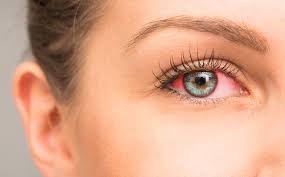

Red eyes occur when blood vessels on the surface of the eye expand. These vessels become swollen, so the sclera appears pink or red, and it may occur suddenly or develop over time. Other symptoms, such as pain, itching, or discharge, may accompany it. Here is more information about this condition:
Causes of Red Eyes
Allergies can cause red eyes. When you encounter an allergen, your body releases histamine. Histamine causes blood vessels in your eyes to dilate, and they can become red and itchy. Typical allergens include pollen, pet dander, and dust mites. Environmental irritants also produce similar effects.
Dry eye syndrome is another common source of redness. This condition occurs when your eyes do not produce enough tears. Tears are necessary for eye health, so a lack of them leads to irritation. Without proper lubrication, the eye surface becomes inflamed. This inflammation results in red, uncomfortable eyes. Various factors contribute to the development of dry eye syndrome.
Infections also lead to eye redness. Conjunctivitis, also known as pink eye, is a typical infection. It may be viral or bacterial, and both types cause significant redness. A viral infection often produces a watery discharge, while a bacterial infection might have a thicker discharge. Other infections also cause eye redness and require medical attention.
Factors That Contribute
Several lifestyle habits contribute to the development of red eyes. Lack of sleep often results in eye strain and redness. Staring at digital screens for extended periods reduces your blink rate. This decreased blinking leads to dryness and irritation. Your eyes need rest to remain healthy and clear.
Environmental conditions play a role in eye irritation. Dry air, whether from indoor heating or an arid climate, quickly evaporates tears. Wind and smoke are also common irritants that cause redness. Exposure to these elements causes your eyes to work harder to stay lubricated, and this can sometimes lead to visible redness. Protecting your eyes from harsh environments may help.
Treatments for Red Eyes
Several treatments are available for this condition. Artificial tears lubricate the eyes, and they provide relief for dryness. Some eye drops contain medications that constrict the blood vessels. These drops temporarily reduce redness, although the underlying cause remains. For specific conditions, a doctor might prescribe medicated drops.
Simple home care steps include:
- Applying a cool compress.
- Avoiding known irritants.
- Resting your eyes regularly.
These actions may alleviate discomfort while you address the root issue. Following a professional’s guidance for treatment is helpful, and it ensures better health outcomes.
Guidance From a Professional
An eye doctor will perform an examination to identify the cause. You may need a specific treatment, so an accurate diagnosis is the first step. The doctor will ask about your symptoms and medical history. This information helps them determine the appropriate course of action for your specific situation. A professional evaluation provides clarity.
Get Treated for Red Eyes
Persistent red eyes require a visit to an eye care specialist. They can diagnose the underlying issue, and you will receive a targeted treatment plan. Schedule an appointment with our office today so an eye specialist can evaluate your eyes.
- Tips for Maintaining Spinal Health Through Chiropractic Care
- How to Choose the Right Sports Medicine Specialist for Your Needs
- The Connection Between Hair Loss Treatment and Overall Scalp Health
- What to Expect in a Session with a PTSD Therapist
- Exploring Ingredients and Formulations in White Label Health and Beauty Products