

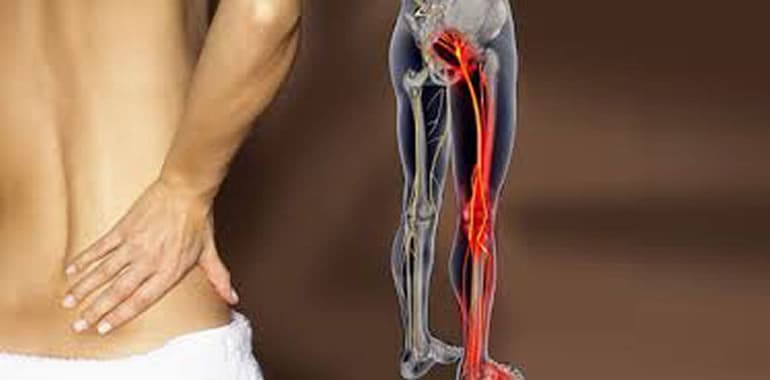

Sciatica is a term used to describe a set of symptoms that affect the lower back and legs. It is a common condition that occurs when the sciatic nerve, the longest nerve in the body, becomes irritated or compressed. This nerve originates in the lower back, runs through the hips and buttocks, and extends down each leg.
What Is Sciatica?
Sciatica refers to the pain and other sensations that radiate along the path of the sciatic nerve. This discomfort originates from the nerve roots in the lower back, specifically the lumbar spine. When these nerve roots are compressed or inflamed, they can produce a distinct pattern of symptoms. While the experience can differ among individuals, the symptoms often follow a recognizable path.
Commonly reported symptoms include pain that begins in the lower back or buttocks and travels down the back of the thigh and into the leg. This pain can range from a mild ache to a sharp, burning sensation or severe discomfort. The symptoms are often unilateral, affecting only one side of the body. Other associated symptoms may include tingling, numbness, or muscle weakness in the affected leg or foot. The intensity of these symptoms can vary, and they may worsen with specific movements or postures.
What Causes It?
Several conditions affecting the lumbar spine can cause compression or irritation of the sciatic nerve. One of the most frequent causes is a herniated or slipped disc. This happens when the soft inner material of a spinal disc pushes out through a tear in its tougher exterior, potentially pressing on a nearby nerve root. Another common cause is lumbar spinal stenosis, which is a narrowing of the spinal canal in the lower back. This narrowing can put pressure on the spinal cord and the sciatic nerve roots. Spondylolisthesis, a condition in which one vertebra slips forward over another, can also narrow the opening through which the nerve exits, leading to nerve compression.
How Is It Treated?
The management of sciatica typically begins with a thorough evaluation by a clinician. This process usually involves a review of an individual’s medical history and a physical examination. During the exam, a provider may assess reflexes and sensation to understand the pattern of symptoms.
In some cases, imaging studies are used to identify the underlying cause of the nerve compression. These may include an MRI, which provides detailed images of soft tissues, such as herniated discs, or a CT scan. An X-ray may be used to visualize bone alignment and identify issues such as fractures or spondylolisthesis.
Based on the evaluation, a management plan may be developed. Non-surgical pathways are often explored first. Some individuals may be offered targeted spinal injections, which deliver medication near the affected nerve root to help reduce inflammation. For symptoms that do not respond to other approaches, surgical options may be discussed. Procedures like a lumbar laminectomy, which removes a portion of the vertebra to create more space, or a limited discectomy to remove the part of a herniated disc pressing on a nerve, may be presented as options.
Speak With a Spine Specialist
Preparing for a consultation with a spine specialist can facilitate a productive discussion. Preparing a list of questions can help guide the conversation. These questions might pertain to the goals of a proposed treatment and any recommended modifications to daily activities or work routines.
- Tips for Maintaining Spinal Health Through Chiropractic Care
- How to Choose the Right Sports Medicine Specialist for Your Needs
- The Connection Between Hair Loss Treatment and Overall Scalp Health
- What to Expect in a Session with a PTSD Therapist
- Exploring Ingredients and Formulations in White Label Health and Beauty Products