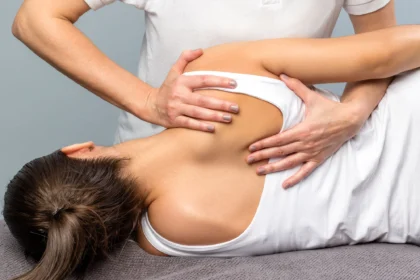



Sports medicine focuses on physical health and activity, aiming to protect athletes from injury and help them recover when incidents occur. This branch of healthcare combines medical expertise, athletic insights, and evidence-based strategies. By understanding movement, physiology, and injury patterns, this field of medicine helps promote well-being. Here is more information about the role of sports medicine in preventing injuries:
Identifying Risks
Sports medicine specialists employ a range of tools and protocols to identify potential injury risks. Pre-participation screenings may be conducted before athletes begin a season or take up new training; these exams include medical history, musculoskeletal evaluations, and fitness assessments. Screening sometimes reveals underlying conditions like joint instability or previous injuries that could lead to future issues.
A biomechanical analysis evaluates key movement patterns in both training and competition. Specialists may observe actions such as running gait, jumping, or a change of direction, and they look for signs of inefficiency or improper form. If movement is less efficient, the body experiences greater strain and may be more prone to injury over time.
Monitoring Health
Monitoring an athlete’s health involves using a range of methods to watch for warning signs and guide their training. Sports medicine teams may rely on technology to collect data, but they also use regular check-ins and subjective wellness questionnaires. These tools provide information on physical readiness, fatigue, and recovery.
One approach is load management, which tracks the amount of physical stress an athlete experiences each day. Recorded data might include practice intensity, duration, or number of repetitions; recording these metrics helps balance exertion with time for recovery. Regular monitoring alerts staff when it is time to adjust training loads or address symptoms of overuse.
Additional monitoring focuses on recovery tracking, using both objective and subjective measures. Metrics such as heart rate variability, muscle soreness, and sleep quality inform teams about the athlete’s current state. While no metric alone predicts injuries, combining these data points helps create training plans that reflect an athlete’s needs and health status.
Personalizing Training
Personalized training plans support athletes by matching routines to individual requirements. Standard training programs may fail to address each player’s individual strengths, weaknesses, or unique biomechanics, highlighting the need for personalized approaches. A customized plan uses test results and daily observations to structure workouts and recovery, while also adapting as an athlete responds to specific exercises. The process of personalization often involves:
- Adjusting the intensity or frequency of sessions
- Modifying which exercises are included
- Changing rest or recovery periods between activities
Preventing Injuries
Reducing injuries involves several layers of prevention, from warm-ups to full rehabilitation. Teams may blend strength and conditioning exercises, flexibility work, and muscular training into prevention programs, which help maintain balance and coordination. After injury, athletes typically must pass physical tests and assessments before receiving clearance to return to play.
Schedule Sports Medicine Treatment
A structured approach can help manage athlete health and performance over time. When you partner with a sports medicine specialist, you receive guidance tailored to your activity level and injury risks. To continue supporting your health and athletic journey, book an appointment with a sports medicine professional, and take a step toward better management of your physical well-being.
- Tips for Maintaining Spinal Health Through Chiropractic Care
- How to Choose the Right Sports Medicine Specialist for Your Needs
- The Connection Between Hair Loss Treatment and Overall Scalp Health
- What to Expect in a Session with a PTSD Therapist
- Exploring Ingredients and Formulations in White Label Health and Beauty Products