
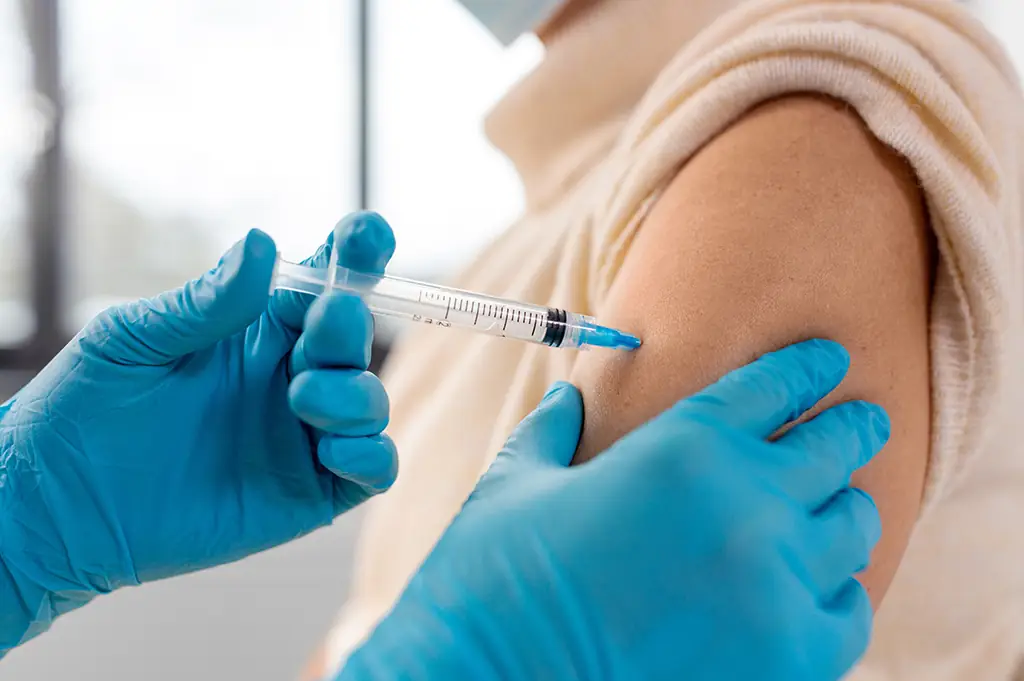

Vaccinations play a significant role in protecting children and adults from serious and preventable diseases. Vaccines reduce the risk of infection and limit the spread of illness within communities by helping the body build immunity. Here’s a closer look at the benefits of vaccinations for children and adults:
The Science Behind Vaccinations
Your immune system naturally fights off infections when harmful germs enter your body. When it recognizes a dangerous substance called an antigen, your body quickly creates special proteins called antibodies. These antibodies attack the harmful germs and help your body remember how to fight them if they return.
Vaccines work by introducing a weakened or inactive form of a germ into your body. This gives your immune system a chance to practice fighting the disease without getting seriously sick. Your body learns to recognize the germ and creates antibodies to fight it. If you’re ever exposed to the actual disease, your immune system can fight it off quickly and effectively.
The Value of Pediatric Vaccines
Children need vaccines because their immune systems are still developing. Young bodies haven’t had the chance to encounter many diseases, which makes them vulnerable to serious infections. Vaccines help build strong immune defenses during these key early years.
Childhood vaccinations protect against diseases that were once common and deadly. Before vaccines, diseases like polio, measles, and whooping cough caused severe illness and death in thousands of children. Today, these diseases are rare because most children receive their vaccine shots on schedule.
The Need for Adult Vaccinations
Many adults don’t realize they need vaccines as well. Here are the key reasons adults should stay current with their vaccinations:
- Immunity can weaken over time: Some childhood vaccines wear off as you get older, leaving you vulnerable to diseases you were once protected against.
- New vaccines become available: Scientists develop new vaccines for diseases that didn’t have prevention methods when you were young.
- Travel requirements: Some countries require proof of certain vaccinations before you can visit.
- Job requirements: Healthcare workers and other professionals may need specific vaccines to protect themselves and others.
- Pregnancy planning: Women who plan to become pregnant may need certain vaccines to protect their unborn babies.
Adults should consult their healthcare provider to determine which vaccines they need based on age, health conditions, and lifestyle factors.
Vaccinations and Public Health
Vaccines don’t just protect the person who receives them; they create community-wide benefits that help protect everyone. Here are some of them:
- Herd immunity: When most people in a community are vaccinated, diseases can’t spread easily, protecting people who can’t be vaccinated due to medical conditions.
- Prevents outbreaks: High vaccination rates stop diseases from spreading through schools, workplaces, and neighborhoods.
- Protects vulnerable populations: Babies, elderly people, and those with weak immune systems rely on others being vaccinated to stay safe.
- Eliminates diseases: Some diseases have been eradicated through successful vaccination programs.
These community benefits make vaccination a shared responsibility that helps protect public health.
Get Up-to-date on Your Vaccinations
Vaccinations are a safe and effective way to protect yourself, your family, and your community from serious diseases. Children and adults benefit from staying up to date with recommended vaccines. The protection vaccines provide far outweighs any risks, and they remain one of the best tools we have against infectious diseases. Contact a trusted healthcare provider near you to schedule a visit and stay up to date on your vaccinations.
- Tips for Maintaining Spinal Health Through Chiropractic Care
- How to Choose the Right Sports Medicine Specialist for Your Needs
- The Connection Between Hair Loss Treatment and Overall Scalp Health
- What to Expect in a Session with a PTSD Therapist
- Exploring Ingredients and Formulations in White Label Health and Beauty Products