

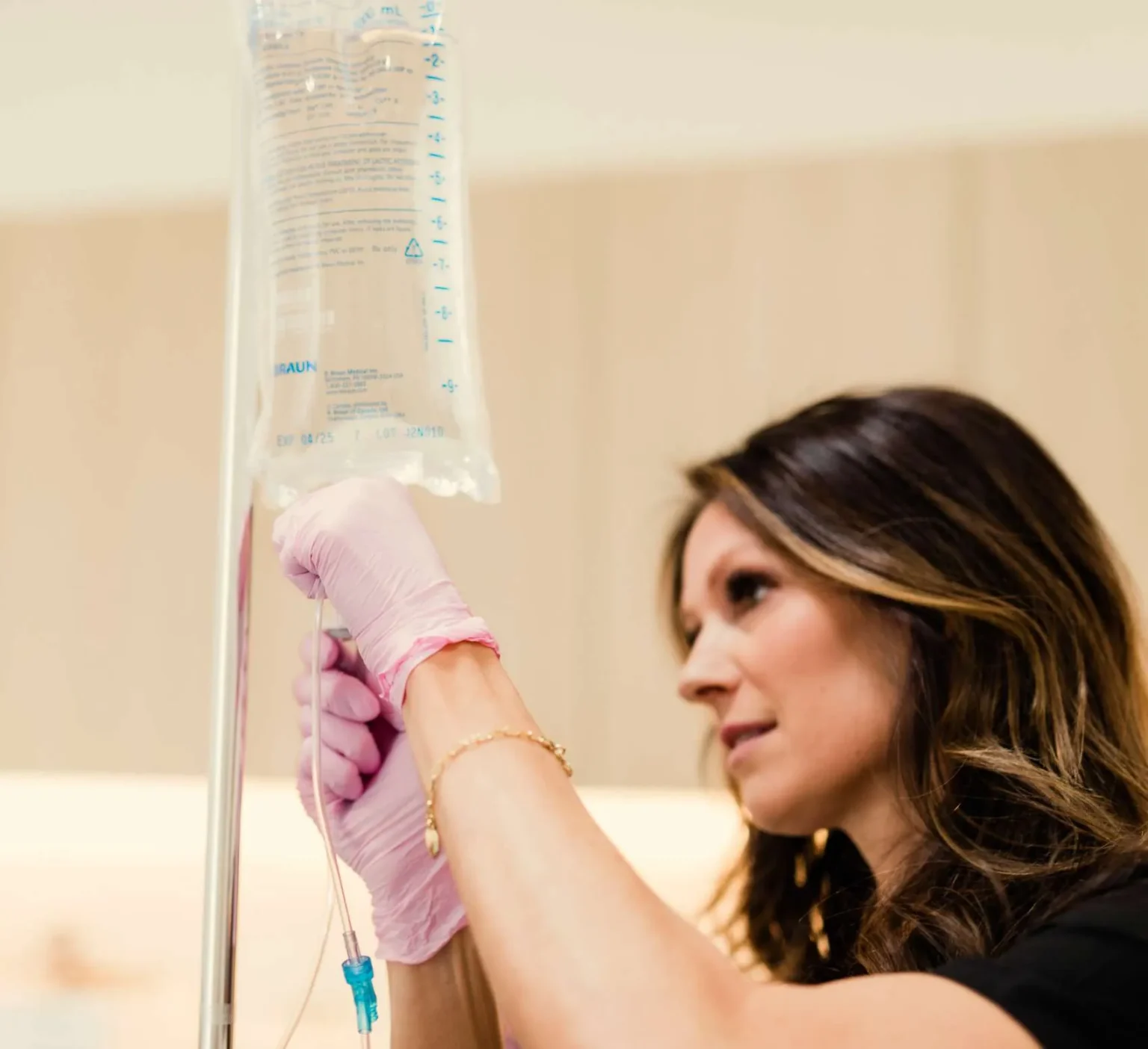

IV therapy has become a popular option for individuals seeking targeted hydration, vitamin support, and wellness enhancement. While the treatment is generally straightforward, it’s necessary to understand how it works and whether it aligns with your specific health needs. Asking the right questions before getting started can help you make an informed decision and support a safe, effective experience. Here are four key questions to ask before trying IV infusion therapy:
1. Is IV Infusion Therapy Safe?
A key question to contemplate is whether IV therapy is a safe and suitable option for your specific health circumstances. While generally regarded as safe for many individuals, certain medical conditions or health factors may require special reference. For instance, people with kidney disease, heart conditions, or high blood pressure may need to avoid certain types of IV drips or require a modified treatment plan. A thorough medical evaluation is fundamental to determining whether IV therapy is appropriate for you and to prevent potential complications.
2. What’s in the Infusion?
Reputable providers are transparent about the ingredients they use in their IV therapy and can explain why each component is included in a particular formula. Here is a list of common ingredients found in IV drips:
- B Vitamins: This group of vitamins supports energy production, brain function, and cellular metabolism.
- Vitamin C: Vitamin C supports the immune system, promotes skin health, and aids in wound healing.
- Magnesium: This mineral regulates muscle and nerve function, blood sugar levels, and blood pressure.
- Calcium: Fundamental for bone health, calcium also plays a role in heart, muscle, and nerve function.
- Glutathione: An antioxidant that helps detoxify the body and supports immune function.
- Saline Solution: The base of most IV drips, sterile saline delivers nutrients and rehydrates the body.
A discussion with your provider will help you understand the purpose of each ingredient, and they can customize the infusion to suit your wellness objectives.
3. Who Gives the Treatment?
The qualifications of the person administering your IV therapy are a key factor in the treatment’s safety and effectiveness. These are the professionals who are generally qualified to administer intravenous therapy:
- Registered Nurses (RNs): RNs are trained to place IV lines and monitor patients during infusions.
- Nurse Practitioners (NPs): With advanced training, NPs can administer IV infusion therapy and oversee the entire treatment plan.
- Physician Assistants (PAs): PAs are licensed to perform medical procedures, including IV infusion therapy, under the supervision of a physician.
- Medical Doctors (MDs): Physicians are qualified to administer and prescribe IV treatments.
A reputable clinic will be transparent about its team members’ qualifications and make sure you are comfortable with the person performing the procedure.
4. What Happens During the Session?
Knowing what to anticipate during and after your IV therapy session can prepare you for the procedure. You will be seated in a comfortable chair while a nurse or other professional disinfects the injection site. They will then insert a small needle attached to a catheter into a vein. Once the IV line is in place, the fluid will begin to drip.
During the infusion, you can read, listen to music, or rest. Most people report feeling little to no discomfort once the IV is placed. Afterward, you may notice a small bruise or slight soreness at the injection site, but this usually fades quickly. Your provider can offer specific post-treatment guidance based on the type of IV drip you received.
Book Your IV Therapy Appointment
IV therapy can be a helpful way to support your overall wellness, but you should approach it with a clear understanding of the process. You can make an informed choice that aligns with your health goals by asking about safety, ingredients, and provider qualifications. Contact a trusted provider near you to book your IV therapy appointment today.