

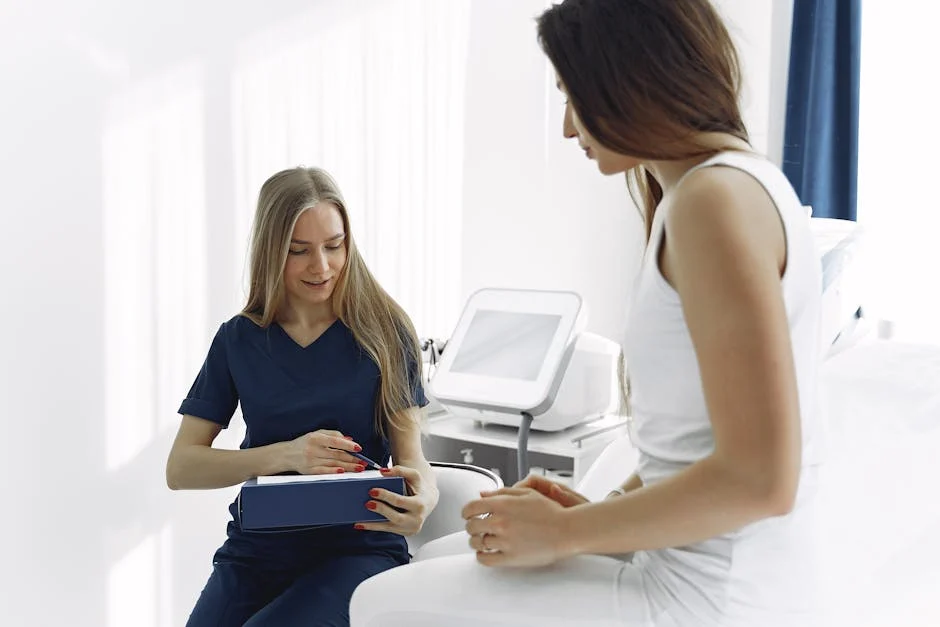

Gynecologists support women’s health across every stage of life. These professionals address immediate health problems, such as infections and pelvic pain, and they offer preventive care services. A proactive approach provides a foundation for well-being, helping you recognize key changes and maintain control over your health. Here are some of the preventive services gynecologists offer:
1. Well-Woman Visits
Annual well-woman visits are a key part of gynecological care; they allow you and your provider to review your overall health and discuss any changes since your previous visit. Each check-up involves a physical exam. You can also talk about your menstrual cycle, family planning preferences, and other concerns.
During the visit, providers often perform a breast and pelvic assessment. Consistent yearly appointments help your gynecologist recognize what is typical for you, and this enables them to notice any new developments, such as breast lumps or pelvic tenderness. These regular visits build a detailed picture of your individual health over time.
2. Health Screenings
Screenings are a fundamental service in preventive health. Gynecologists routinely provide and coordinate helpful tests designed to identify possible health concerns before symptoms develop. Two standard screenings are the Pap test, which checks for changes in cervical cells, and the HPV test, which examines the presence of the human papillomavirus. Your provider recommends screenings based on your age and health history. They explain each test’s purpose, and they outline what to expect. Your provider can also suggest a schedule for follow-ups as needed. Their guidance helps make sure you complete timely and appropriate screenings, supporting your ongoing preventive care.
3. Lifestyle and Wellness Education
Gynecologists are a key resource for health education. They provide practical, personalized advice about habits that impact reproductive and general health. Conversations may include topics such as:
- Nutrition
- Exercise routines
- Medication use
- Hormone health
Discussing family planning and contraception is also a fundamental part of their role. Your provider walks you through options such as birth control pills and intrauterine devices, and they help you contemplate what suits your lifestyle. Education about sexually transmitted infections (STIs) and how to protect your health is another helpful part of these appointments. This guidance enables you to make informed choices that support long-term wellness.
4. Transition Support
Women’s health needs shift throughout life, from adolescence, through adulthood, and into menopause. Your gynecologist offers continuous help as you experience various transitions. For younger women, providers may explain puberty, menstrual health, and early reproductive concerns. They also recommend age-appropriate screenings and preventive measures. Older women can receive assistance with perimenopause and menopause; providers clarify what to expect and share practical tips for managing changes. Maintaining a consistent relationship with your provider makes sure you have access to expert advice and timely preventive care whenever questions or concerns arise.
Meet With a Gynecologist
Gynecologists play a key role in supporting preventive health for women. Their services include annual visits, screenings, health education, and ongoing guidance. Some clinics also offer minimally invasive surgeries that can be performed in the office. If it has been a while since your last check-up or you have questions about your health, scheduling a well-woman visit is a practical way to prioritize yourself. Visit with a gynecologist to support your health, and work with them to arrange regular preventive screenings.