


Polycystic Ovary Syndrome (PCOS) is a common hormonal disorder that affects many women of reproductive age. It often manifests as irregular menstrual cycles, and the ovaries may develop small fluid-filled structures called follicles. Recognizing PCOS symptoms early allows individuals to seek medical advice, but signs may be subtle or mistaken for other issues. Untreated PCOS might lead to other health complications over time. If you notice persistent changes in your cycle or physical appearance, consult a healthcare provider for a thorough evaluation.
PCOS Symptoms
The most common sign of PCOS is an irregular menstrual cycle. Some women have fewer than 9 periods a year, while others have periods more frequently than every 21 days. This irregularity occurs because ovaries do not release an egg monthly, which disrupts hormonal balance needed for a predictable cycle. Although some women experience only mild changes, others have cycles that are unpredictable. Regular monitoring may help you notice changes in your cycle sooner.
When ovulation does not occur regularly, the uterine lining can build for a long time, resulting in heavier period bleeding. Tracking your cycle helps identify some patterns, but you must report significant deviations to a doctor who can determine if further testing is necessary. Some people feel frustrated when tracking their cycles and waiting for answers.
Physical Changes From Excess Androgens
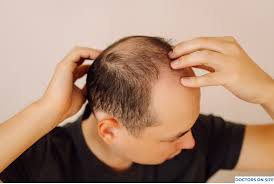
High levels of androgen hormones can cause distinct physical changes. Excess facial or body hair is often a primary indicator of this condition, which is medically known as hirsutism. While some hair growth is normal, PCOS symptoms can create hair that appears on the face, chest, or back. Severe acne that does not respond to typical treatments points to elevated androgens, or you might notice thinning hair on the scalp that resembles male-pattern baldness. Many women feel self-conscious or upset about these changes.
These physical symptoms vary in intensity, so documenting when they began helps healthcare providers understand your unique hormonal profile. Some symptoms disappear for a while and then return later. If you have a family history of similar issues, it may be helpful to share that information.
Metabolic Concerns and Weight Management
Many women with PCOS experience challenges with their metabolism. Weight gain is a frequent symptom, and losing that weight can be particularly difficult due to insulin resistance. Because insulin resistance affects how the body processes sugars, it complicates efforts to reach a healthy weight.
Insulin is a hormone that allows the body to use sugar for energy, but when the body becomes resistant, blood sugar levels rise, and the body produces even more insulin. This cycle may lead to darker patches of skin in body creases, such as the neck or groin. Managing these metabolic factors affect long-term health, and recognizing weight fluctuations early can prompt necessary lifestyle adjustments before metabolic issues arise. Metabolic changes linked to PCOS often happen slowly over time.
Make an Appointment
Spotting these symptoms is the first step to getting help. Your doctor can suggest treatments like birth control pills to regulate your cycle or medicines for physical changes, and they may also recommend lifestyle changes to help with weight and metabolism. If you have insulin resistance, your provider might suggest metformin, and there are options for fertility if you want to get pregnant. While treatment plans differ, each can be tailored to your need and lifestyle, so you can feel better and improve your health.