
Cosmetic skin care encompasses both daily habits and advanced clinical procedures, and both are core components of skin appearance management. While there are many products available, it’s practical to focus on strategies with clear evidence behind them. Keeping your regimen organized means addressing the needs of your skin barrier without using unnecessary products. Here are some of the key elements of a comprehensive cosmetic skin care regimen:
Cleansing Routine
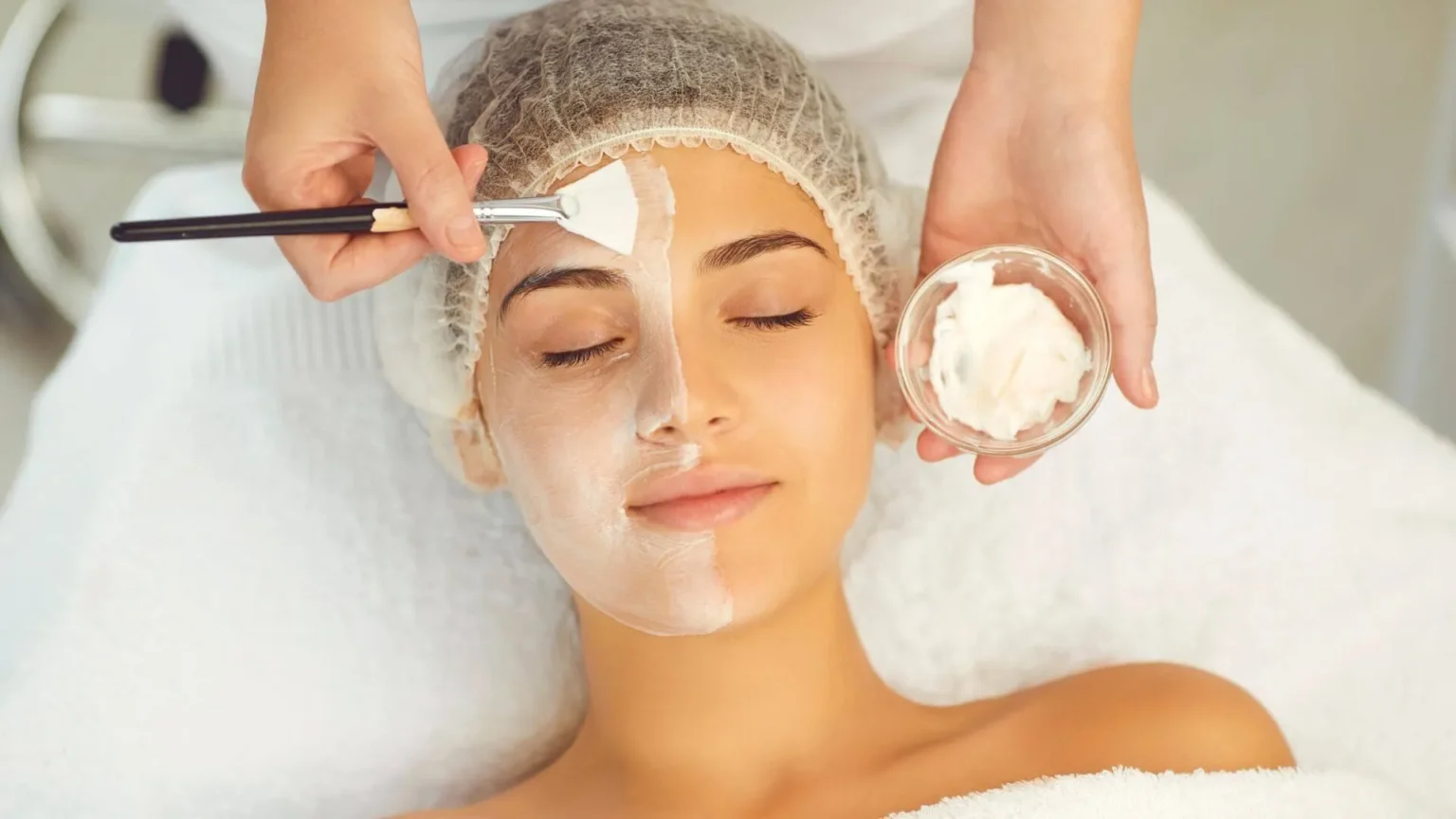
Your skin encounters pollution, natural oils, and residue every day, but a thorough cleansing routine helps clear these from your face. Proper technique helps keep pores unobstructed, lessening the risk of inflammation or breakouts. If you skip this step, topical products like serums and moisturizers may not penetrate efficiently. Specialized cleansers break down oil and debris that accumulate on the skin’s surface.
Tightening Skin
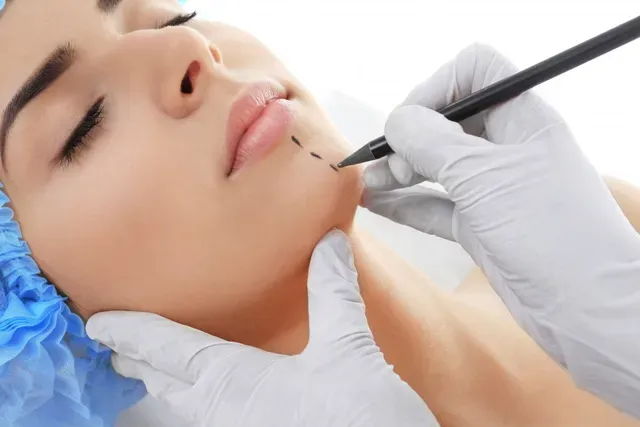
With age, collagen fibers in the skin may degrade, leading to laxity and fine lines. Topical creams offer surface-level improvements, but deeper changes call for non-invasive professional treatments. These methods deliver heat or energy to the underlying tissue, targeting collagen stimulation. Your skin may gradually appear firmer over time as a result of these interventions.
The technologies used for this purpose are chosen based on your individual skin type and needs. Thermal procedures such as radiofrequency stimulate the body’s renewal processes by reaching structural layers. You might notice a gradual improvement in texture and tightness as new collagen forms.
Some available technologies include:
- Collagen boosters
- Stem cell facials
- Laser resurfacing tools
Exfoliating Skin
A layer of dead skin cells forms on the surface, and this often dulls natural radiance. Whether physical or chemical, exfoliation reveals smoother, newer cells beneath the outermost layer. Acids used in chemical products break the bonds that hold dead cells together, leading to a brighter appearance. This cosmetic skin care method encourages a steady cycle of removal and renewal, maintaining texture and supporting balanced tone.
You apply exfoliation products as part of a weekly ritual, usually choosing a formula based on sensitivity and goals. Mechanical exfoliants work by physically polishing the surface, while chemical exfoliants operate more deeply. Both approaches must be used thoughtfully to avoid skin irritation, and rotating products allows you to find a comfortable fit. If you’re unsure, start slowly to see how your skin responds.
Triggering Healing Processes
Some treatments harness the skin’s natural ability to heal by creating carefully controlled micro-injuries. Microneedling uses fine needles to create tiny punctures at a shallow depth, and this process encourages increased growth factor activity. The response produces new collagen and elastin, which support stronger skin structure in the weeks following treatment.
Chemical peels provide another method for prompting healing and renewal. Practitioners choose acid strengths based on the skin’s needs, ranging from superficial brightening to textural changes. Light peels cause gentle flaking, while deeper peels lift more damaged layers for dramatic renewal. After a peel, the recovery phase varies. New skin gradually replaces the old, and diligent sun protection supports the process.
Healing-focused treatments may lead to changes in texture and uniformity of color. Post-treatment instructions are given to help prevent irritation, reduce swelling, and guard against infection. If you follow care guidelines after these advanced treatments, you support better results.
Find Cosmetic Skin Care Today
Personalized skin care starts with understanding your unique needs, and a professional evaluation helps select the most effective routine. Reach out to a med spa to schedule a consultation and take your first step toward a regimen designed for your skin type. A well-crafted plan outlines the steps you take to care for your skin each day.
- Tips for Maintaining Spinal Health Through Chiropractic Care
- How to Choose the Right Sports Medicine Specialist for Your Needs
- The Connection Between Hair Loss Treatment and Overall Scalp Health
- What to Expect in a Session with a PTSD Therapist
- Exploring Ingredients and Formulations in White Label Health and Beauty Products